Personalised routine.
Create visual routines for morning, afternoon and night with ARASAAC pictograms.
Tap each step when done








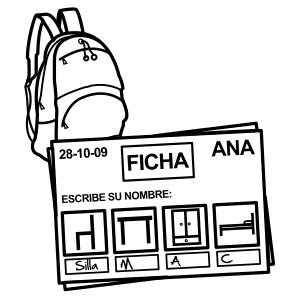




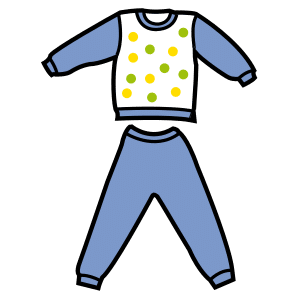


Evidence: a review of single-case studies found that visual activity schedules help reduce challenging behaviour in children with ASD (Lequia et al., 2012), and another that they improve transitions and social behaviour (Banda & Grimmett, 2008). Dividing the day into periods (morning, afternoon, night) provides predictability, but that is a practical choice of the tool, not a study result.
Lequia, J., Machalicek, W. & Rispoli, M.J. (2012). Effects of activity schedules on challenging behavior in children with ASD. Research in Autism Spectrum Disorders, 6(1). · Banda, D.R. & Grimmett, E. (2008). Enhancing social and transition behaviors of persons with autism through activity schedules: A review. Education and Training in Developmental Disabilities, 43(3). · ARASAAC (CC BY-NC-SA).
Level of evidence: B (partial support). Basis: Visual activity schedules (Lequia et al., 2012; Banda & Grimmett, 2008). Limits: Single-case studies with few participants; reduced anxiety is not what they measured.
This tool is for guidance and educational purposes. It does not replace assessment by a qualified professional.
Pictograms: Sergio Palao. Source: ARASAAC (arasaac.org). Licence: CC BY-NC-SA. Owner: Government of Aragon. · inklui.com
Related
Anything to tell us?
A suggestion to improve inklui, or a comment about this page. Everything gets read.